When pharmacovigilance is discussed, the focus usually falls on processes, systems, and regulations. Case processing, signal detection, literature monitoring, periodic safety reports, inspections, and compliance requirements tend to dominate the conversation. What is often missing from this picture is the human side of pharmacovigilance.
Behind every Individual Case Safety Report, every potential safety signal, and every regulatory submission are professionals making careful decisions every day. Pharmacovigilance specialists work with often incomplete information, interpret clinical details, and operate within strict regulatory timelines.
For those working in pharmacovigilance, the role goes beyond simply following procedures. It requires a strong sense of responsibility, sustained attention to detail, and continuous judgment, with patient safety always the central concern.
The Human Side of Pharmacovigilance in Daily Work
In pharmacovigilance, deadlines are not merely internal targets. They are regulatory obligations directly linked to patient safety. Serious adverse events must be processed and reported within strict timelines. Literature monitoring needs to be conducted consistently.
At the same time, the volume of safety data continues to grow. Reports are received from healthcare professionals, patients, clinical trials, and scientific publications worldwide. As a result, many pharmacovigilance teams work in environments where priorities shift quickly, and multiple tasks demand attention simultaneously.
A typical day might involve reviewing incoming case reports, responding to regulatory questions, validating literature findings, or preparing safety documentation. Each of these tasks requires accuracy, concentration, and sound judgement, even when time is limited.
It is in these daily situations that the human side of pharmacovigilance becomes most visible. Professionals must continuously balance quality, speed, and regulatory compliance while maintaining the standards expected in a patient‑safety function.
The Often Invisible Responsibility of PV Specialists
Most patients never think about what happens after an adverse event report is submitted. They do not see pharmacovigilance professionals reviewing patient histories, examining laboratory results, or assessing whether a drug may be associated with a reported reaction.
Yet this work is essential to the safety monitoring system. Every case must be reviewed, documented, and assessed in accordance with regulatory standards. Even routine reports require concentration, clinical reasoning, and careful evaluation.
The human side of pharmacovigilance lies in this daily responsibility. Professionals manage large amounts of information, apply scientific judgement, and ensure that safety data are handled correctly – often without their contribution being visible outside the field.
Stress and Pressure in Pharmacovigilance Teams
Pharmacovigilance specialists work in an environment where expectations are high and timelines are strict. Large volumes of safety data, complex medical information, and detailed regulatory requirements are part of the daily routine. Even small errors in documentation or assessment can become significant during audits or inspections.
In addition, pharmacovigilance activities often involve global collaboration. Teams may work across different regions and time zones, communicating with regulatory authorities, partners, and internal departments. Coordinating these interactions adds another layer of complexity to the work.
These factors contribute to professional pressure that is not always visible from the outside. Recognising the human side of pharmacovigilance means acknowledging that, behind every safety process, professionals manage demanding workloads and significant responsibility.
Leadership and Team Support in Pharmacovigilance
In such demanding environments, leadership becomes particularly important. Effective pharmacovigilance leaders do more than oversee workflows and compliance metrics. They also create an environment in which teams feel supported, communication remains open, and professionals can raise concerns without hesitation.
Strong leadership helps teams maintain quality even during periods of high workload. It encourages collaboration, knowledge sharing, and continuous improvement of safety processes. When teams feel supported and understood, they are better equipped to manage both the technical and organisational challenges of pharmacovigilance.
In this way, the human side of pharmacovigilance is closely connected to how teams are led and supported within organisations.
Learning from Experts About the Human Side of Pharmacovigilance
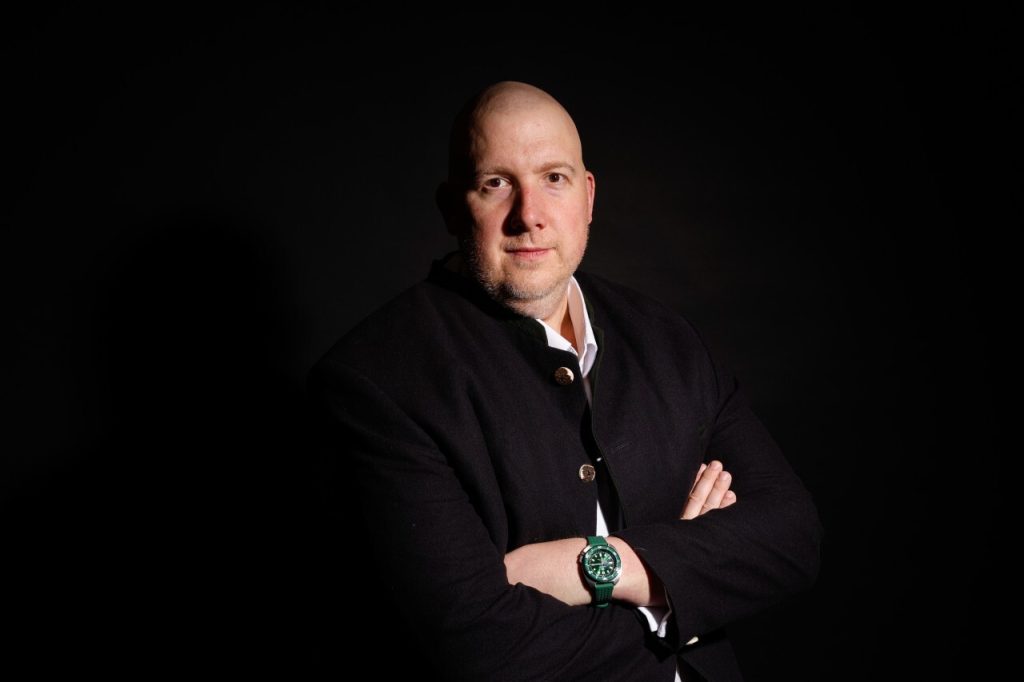
To better understand how professionals manage workload, stress, and leadership challenges in pharmacovigilance, we spoke with Reinhold Schilling, a well‑known expert in the field. In the following interview, he shares his perspectives on the realities of pharmacovigilance work and the human factors that influence safety practice today.
Pharmacovigilance is often described through processes and regulatory requirements. How would you describe the human side of pharmacovigilance?
Pharmacovigilance is often perceived as a system of processes, databases, and regulatory obligations. While these elements are essential, they only represent part of the picture. At its core, pharmacovigilance is about people making informed decisions in situations where information is often incomplete.
Every safety case, signal evaluation, or risk assessment ultimately requires professional judgment. Pharmacovigilance specialists interpret medical information, assess potential risks, and decide how safety information should be handled and communicated. That responsibility cannot be reduced to a purely technical process.
The human side of pharmacovigilance lies in this combination of scientific expertise, responsibility, and judgment. Behind every regulatory submission and every safety decision are professionals whose work directly contributes to protecting patients.
What factors currently create the greatest workload or stress for pharmacovigilance specialists?
One of the main challenges today is the continuous increase in safety data. Reports come from many sources – healthcare professionals, patients, clinical studies, and the scientific literature. Managing this volume while maintaining high-quality standards requires strong organisation and prioritisation.
Another factor is the growing complexity of regulatory expectations. Global pharmacovigilance systems must comply with requirements from multiple regions, each with its own timelines and reporting obligations. Coordinating these requirements while ensuring consistency across the system can be demanding.
In addition, we are currently seeing a rapid emergence of artificial intelligence and digital tools in pharmacovigilance. Many organisations are exploring how AI can support case intake, literature screening, or signal detection. While these technologies hold great potential, they also create uncertainty for many teams. Processes are evolving, tools are still maturing, and organisations are trying to understand how to integrate them responsibly into regulated environments.
This development contributes to what is often described as a VUCA environment – volatile, uncertain, complex, and ambiguous.
Pharmacovigilance professionals must not only manage operational workloads but also navigate a landscape where technologies, expectations, and ways of working are continuously changing.
Finally, pharmacovigilance work is highly deadline-driven. Many tasks – such as expedited reporting or regulatory responses – operate under strict timelines. Balancing speed with scientific accuracy and documentation quality remains one of the central challenges for PV professionals.
How is the work of PV teams changing as safety data volumes grow and regulatory expectations continue to evolve?
Over the past years, pharmacovigilance has become increasingly data-driven and globally interconnected. Teams are working with larger datasets, more complex reporting environments, and a higher level of regulatory scrutiny.
As a result, the work of PV teams is shifting. Routine tasks are gradually being automated, while the human role is shifting toward evaluation, interpretation, and strategic decision-making. Specialists are expected to understand the broader safety picture, not just individual cases.
At the same time, collaboration across functions is becoming more important. Pharmacovigilance interacts closely with regulatory affairs, medical affairs, quality management, and external partners. This makes communication and coordination key competencies for modern PV teams.
What role does leadership play in supporting pharmacovigilance teams working under constant deadlines and high responsibility?
Leadership in pharmacovigilance goes far beyond managing compliance metrics or operational performance. Leaders need to create an environment where professionals can work with clarity, structure, and confidence, even under pressure.
A key responsibility of leadership is to establish clear priorities and well-functioning processes. When expectations and responsibilities are transparent, teams can focus on the scientific and medical aspects of their work rather than constantly reacting to organisational uncertainty.
At the same time, good leadership means supporting people. Pharmacovigilance work requires concentration and responsibility, so maintaining a culture of open communication, trust, and collaboration is essential. Teams perform best when they know that challenges can be discussed openly and solutions can be developed together.
What practices help PV teams remain effective while also preventing professional burnout?
From my experience, structure and clarity are essential. Well-defined processes, clear documentation practices, and transparent responsibilities help teams manage complex workloads more effectively.
Another important factor is knowledge sharing within the team. Pharmacovigilance involves many specialised topics, and no single person can cover everything. Encouraging collaboration, mentoring, and open discussion helps distribute expertise and reduces individual pressure.
Finally, leaders should ensure that teams have the opportunity to step back occasionally and reflect on processes. Continuous improvement is important not only for compliance but also for maintaining sustainable ways of working.
How do you think the human side of pharmacovigilance will change in the next five to ten years as automation and artificial intelligence continue to develop?
Automation and artificial intelligence will certainly transform parts of pharmacovigilance, particularly in areas such as case intake, data extraction, and routine processing. These technologies can significantly reduce manual workload and improve efficiency.
However, this development will not eliminate the human role. On the contrary, it will make human expertise even more important. Safety professionals will increasingly focus on interpreting signals, assessing benefit–risk relationships, and making informed decisions based on complex data.
In my view, the future of pharmacovigilance will be characterised by a strong “human‑in‑the‑loop” approach. Technology can support data handling and pattern recognition, but responsibility for safety decisions will remain with qualified professionals. Ultimately, pharmacovigilance is about protecting patients, and that responsibility will always require human judgment.
Conclusion
Pharmacovigilance systems are often evaluated using metrics such as case volumes, reporting timelines, signal outputs, and compliance indicators. However, these systems ultimately depend on people.
The human side of pharmacovigilance reminds us that patient safety relies not only on regulations and technology, but also on the expertise, judgment, and dedication of professionals working behind the scenes.
As pharmacovigilance continues to evolve with new technologies and global collaboration, understanding and supporting the human dimension of this work will remain essential for maintaining strong and effective drug safety systems.